Knob & Tube Wiring Removal
Why You Should Consider Knob & Tube Wiring Removal
Few people in the modern day know about knob & tube wiring. Even though professionals rarely see this type of wiring today, it still exists in buildings that have stood for decades. Consequently, this outdated system poses a great electrical risk to your property. Therefore, you should keep reading to find out why this wiring causes such a headache. Additionally, you will learn why you need to get a knob & tube removal or replacement quickly. If you are looking for well-versed electricians to handle the job, Absolutely Electrical can help. Our highly proficient team can assist you with the removal and effectively prevent fire risks.
What is a knob & tube wiring?
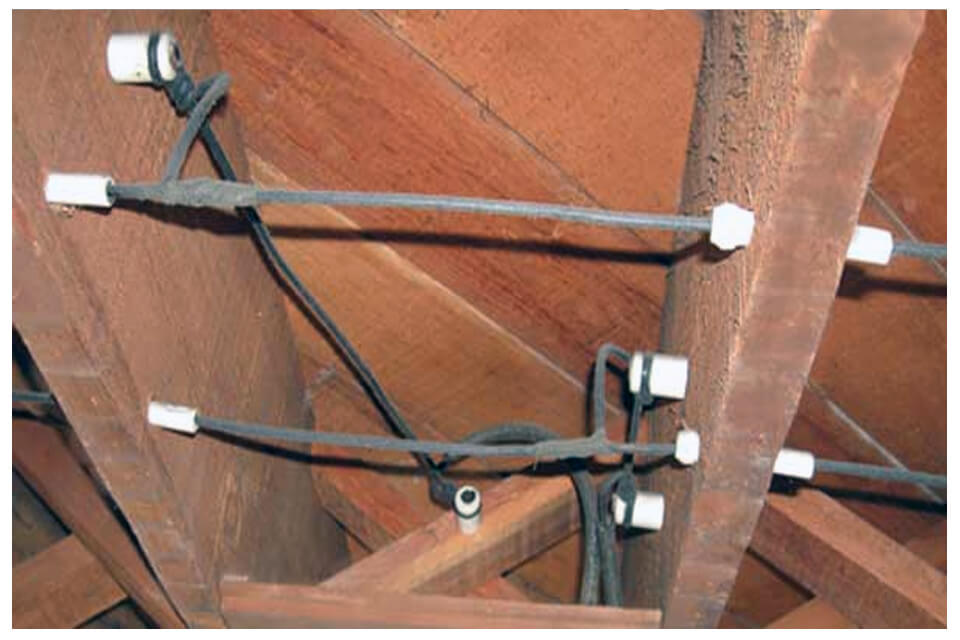
Knob and tube wiring is an early method of electrical installation that derives its name from its unique appearance. In this system, installers wrapped wires in fabric or rubber tubes and ran them through ceramic knobs. This design keeps the wires from contacting the wooden frame of the building.
Specifically, knob and tube wiring utilizes two separate lines to prevent short circuits: a neutral wire and a hot wire. Modern insulation eliminates the need for this separation in contemporary systems. However, knob and tube wiring lacks a ground wire. Consequently, older electrical outlets usually feature only two prongs instead of three.
Adding a ground wire to every electrical device provides a potentially lifesaving safety measure for your building. This addition is so critical that most insurance companies now demand modern wiring installations. Therefore, we recommend upgrading your system if you still have knob and tube wiring present.
How should you know if you have a knob & tube wiring?
Commonly found in homes built between the 1800s and the early 1950s, knob and tube wiring represented the height of technology for its time. While installers rarely use this method today, many historic homes in Victoria still contain these systems. If your property dates back to this era, you should verify if this wiring remains active.
You can often identify this system by observing exposed, unfinished areas of your house. Since you cannot see through finished walls, you must focus on specific locations where the structure remains visible. Typically, homeowners find this type of wiring in the attic or the basement.
Inspecting the Attic
First, navigate to your attic and follow any bare wiring. Because insulation often covers these lines, you may need to clear a small area to see the connections. Warning: Avoid stepping on any hidden wires, as you could cause significant damage. If you notice wires connected to small, white ceramic pieces, your home definitely uses knob and tube wiring.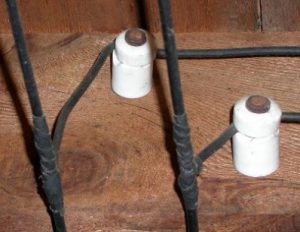
Checking the Basement
Next, head to the basement and perform a similar inspection. Generally, you will find the wiring running under the floorboards above. Since most basements lack a finished ceiling, you can simply look up to spot the floor joists. If you see wiring attached to ceramic knobs, you have found further proof of an older system.
Why You Should Consult a Professional
Beyond the attic and basement, knob and tube wiring often hides within walls and ceilings. Consequently, identifying the full extent of the system on your own is difficult. While you could inspect the electrical box for two-strand wires, we strongly advise against this.
Touching a live wire inside the electrical panel can be lethal. To ensure your safety, contact Absolutely Electrical to perform a professional inspection. Our expert team will accurately assess your system and provide the safest recommendations for your home.
Possible dangers
Now that we know about knob & tube wiring, let’s learn the importance of getting it removed/replaced.
- Like we have mentioned before, knob & tube wiring is two-stranded, with a neutral wire and a hot wire. There is no ground wire. However, most electrical appliances in the modern day including video game systems, refrigerators, and computers come with three prongs. Thus, there is no protection at all when a fault occurs. As a result, this type of wiring increases the risks of fire and shocks.
- For insulation, knob & tube wiring makes use of sheathing. But, they tend to easily break down over time. Moreover, the problem increases as the buildings and houses that use these type of wirings are old. So, modern wiring uses better materials for insulation and are a lot safer.
- Before the 1950’s, electrical systems made use of knob & tube wiring but, circuit wires got fused with 15 amps. Over time other systems added could cause an unacceptable load on a fused circuit. This means that the wire is passing more current that it should which could lead to excessive heat and fire.
- Before the 1950’s, electrical systems did not undergo high amperage loads. Consequently, extra loads cause the insulation to become fragile resulting in exposing a bare wire and the capacity to overheat. This could also cause fires.
Conclusion
Considering the dangers associated with this ancient wiring, we hope you plan for a knob & tube replacement. By not removing it, you expose yourself and your loved ones to such risks. Moreover, majority of insurance companies do not cover insurance for buildings that have this kind of wiring. Do not hesitate to contact certified electricians like us, to get knob & tube replacement for your home.